
-
June 27, 2026
How System Formwork Can Speed Up Your Construction Timeline
Every contractor knows the pressure of a project timeline. Delays compound quickly. A slow pour schedule, a missed handover date, or extended material turnaround can ripple through the entire project and affect cash flow, client relationships, and the next project in the pipeline.
One of the most effective ways to speed up a construction timeline, without compromising quality or safety, is to switch from traditional timber shuttering to system formwork. This article explains how it works and what contractors can realistically expect.
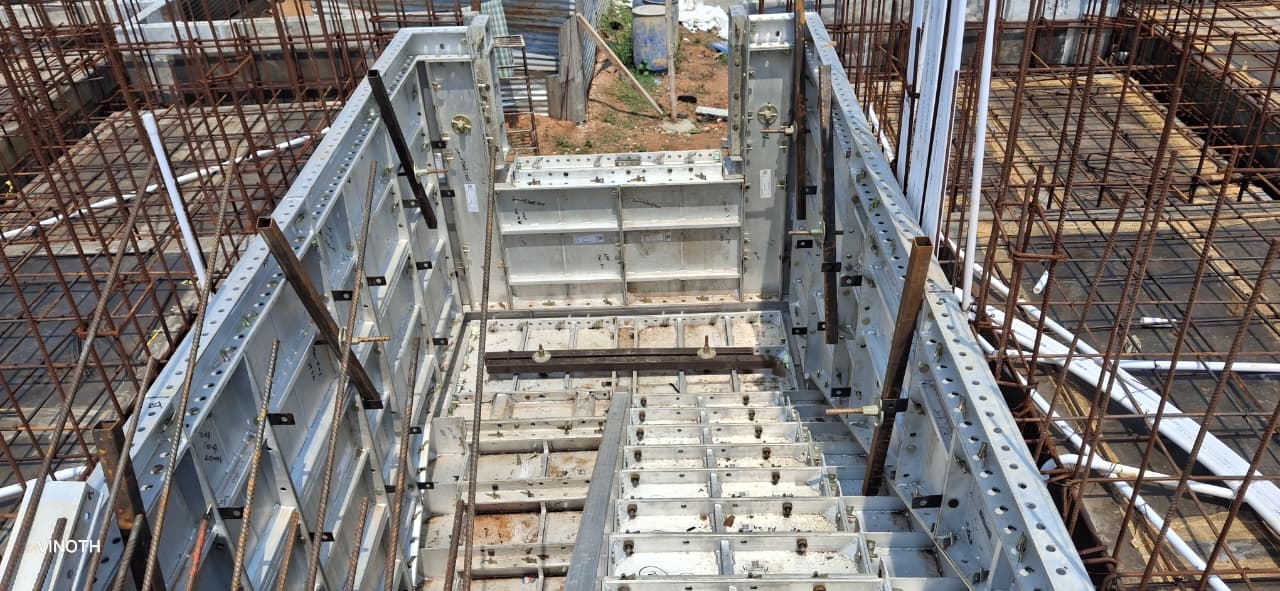
System formwork refers to pre-engineered, reusable formwork systems, including aluminium formwork, modular formwork, and panel-based systems. Unlike conventional timber shuttering, which is cut and assembled on site for each pour, system formwork components are manufactured to precise tolerances and designed to assemble and dismantle quickly and repeatedly.
The category includes aluminium formwork systems used extensively in residential construction, modular panel systems used across commercial and infrastructure projects, and panel-based systems that bridge the gap between the two in terms of flexibility and cost.
Faster Assembly
Timber shuttering requires skilled carpenters to measure, cut, and assemble formwork on site for each pour. System formwork panels connect using standardised fixtures that your site team learns once and then applies consistently across every floor. The result is faster setup with less dependence on highly skilled labour.
Faster Stripping
System formwork is designed for quick, clean stripping. Aluminium formwork in particular can be stripped and moved to the next floor in a fraction of the time it takes to break down timber shuttering. This directly shortens your floor-to-floor cycle time.
Simultaneous Casting
Aluminium formwork systems allow walls and slabs to be cast simultaneously in a single pour. With timber shuttering, these elements are typically cast in separate pours with curing time in between. Eliminating that intermediate step alone can save several days per floor.
Reduced Rework
System formwork is dimensionally accurate and consistent. The concrete surface quality is higher, which means less remedial plastering and patching after stripping. On large projects, the time saved on finishing work is substantial.
The improvement in cycle time depends on the project type and the formwork system used. For a mid-rise residential project switching from timber shuttering to aluminium formwork, reducing the floor cycle from 7 to 10 days down to 4 to 6 days is a common outcome. Over 10 floors, that is potentially 30 to 60 days saved on the overall programme.
For modular formwork on commercial projects, the gains are somewhat lower but still meaningful, particularly on projects with complex floor layouts where the flexibility of modular panels allows faster reconfiguration than site-cut timber.
System formwork does more than save time on assembly and stripping. It also reduces the overall labour requirement per pour. With timber shuttering, you need a large team of carpenters and helpers for every pour. System formwork reduces that requirement significantly and makes better use of the labour you do have.
In the current Indian construction market, where skilled labour availability is a genuine constraint on many sites, this labour efficiency is often as valuable as the direct time saving.
When concrete surface quality is high from the start, your finishing team does less remedial work. When panels are dimensionally accurate, structural alignment is easier to maintain.
When your site team is working with a system they understand, handling errors and improvised repairs are less common.
All of these factors reduce the invisible time lost to rework, corrections, and problem-solving that adds up on every project but rarely appears on a programme chart.
System formwork is a higher upfront investment than timber shuttering. This is the honest part of the conversation. However, when you account for the reduction in cycle time, the reduction in labour cost, the reduction in material waste, and the reusability of the system across multiple projects, the economics typically favour system formwork significantly over the medium term.
For contractors concerned about the upfront cost, renting system formwork for a first project or investing in certified refurbished units are practical ways to access the time and quality benefits at a lower initial outlay.
System formwork will not solve every project challenge. But for contractors running repetitive residential construction or multi-floor commercial projects, the impact on construction cycle time is real, measurable, and often decisive. Faster pours, faster stripping, less rework, and lower dependence on scarce skilled labour add up to a meaningful competitive advantage.
If you are still using timber shuttering on your projects and have not yet evaluated system formwork, the conversation is worth having.