
-
June 27, 2026
Is Refurbished Formwork Worth It? Here’s What to Check Before You Buy
Refurbished formwork is one of the most discussed topics in construction procurement, and the opinions are split. Some contractors swear by it. Others have had bad experiences. The truth is that refurbished formwork can be an excellent investment or a costly mistake, and the difference comes down entirely to the quality of the refurbishment process.
This guide will help you understand when refurbished formwork makes sense, what to look for, and what to watch out for.
The economics are straightforward. System formwork, whether aluminium or modular, is an expensive asset. A new aluminium formwork set for a mid-sized residential project can represent a significant capital outlay. A properly refurbished equivalent set can cost 30 to 40 percent less and perform to a very similar standard for the remainder of its useful life.
For contractors who want owned formwork assets but need to manage their capital carefully, refurbished is often the only option that makes practical sense.
The problem with the word refurbished is that it means different things to different suppliers. At one end of the scale, you have formwork that has been thoroughly inspected, repaired, cleaned, and certified. At the other end, you have used formwork that has simply been cleaned up and listed for sale.
Buying from the second category is where contractors run into trouble. Structurally compromised panels, worn connections, and out-of-tolerance dimensions all create problems on site that cost more to deal with than the initial saving was worth.
1. Ask About the Refurbishment Process
A credible supplier should be able to walk you through their inspection and reconditioning process step by step. How are panels checked? What happens to components that are structurally compromised? Is there documentation? If the answers are vague, that tells you something.
2. Check Panel Dimensions and Tolerances
Aluminium and modular formwork panels should be dimensionally accurate within tight tolerances. Out-of-spec panels create gaps, misalignment, and poor surface finishes that will slow down your site and create additional finishing work. Ask for dimensional tolerance specifications before buying.
3. Look at the Connections and Hardware
Ties, wedge clamps, and connecting hardware are the most wear-prone components in any formwork system. Check that these have been replaced or recertified as part of the refurbishment. Worn connections are a safety risk, not just a performance issue.
4. Ask About the History of the Set
How many uses has this set seen? On what types of projects was it used? Was it stored properly between uses? A supplier with a proper tracking system will be able to answer these questions. One who cannot may not have a clear history of the equipment they are selling.
5. Request a Certification Document
A properly refurbished set should come with documentation confirming it has been inspected and is fit for use. This is standard practice for reputable suppliers and gives you recourse if issues arise.
6. Inspect Physically Before Finalising
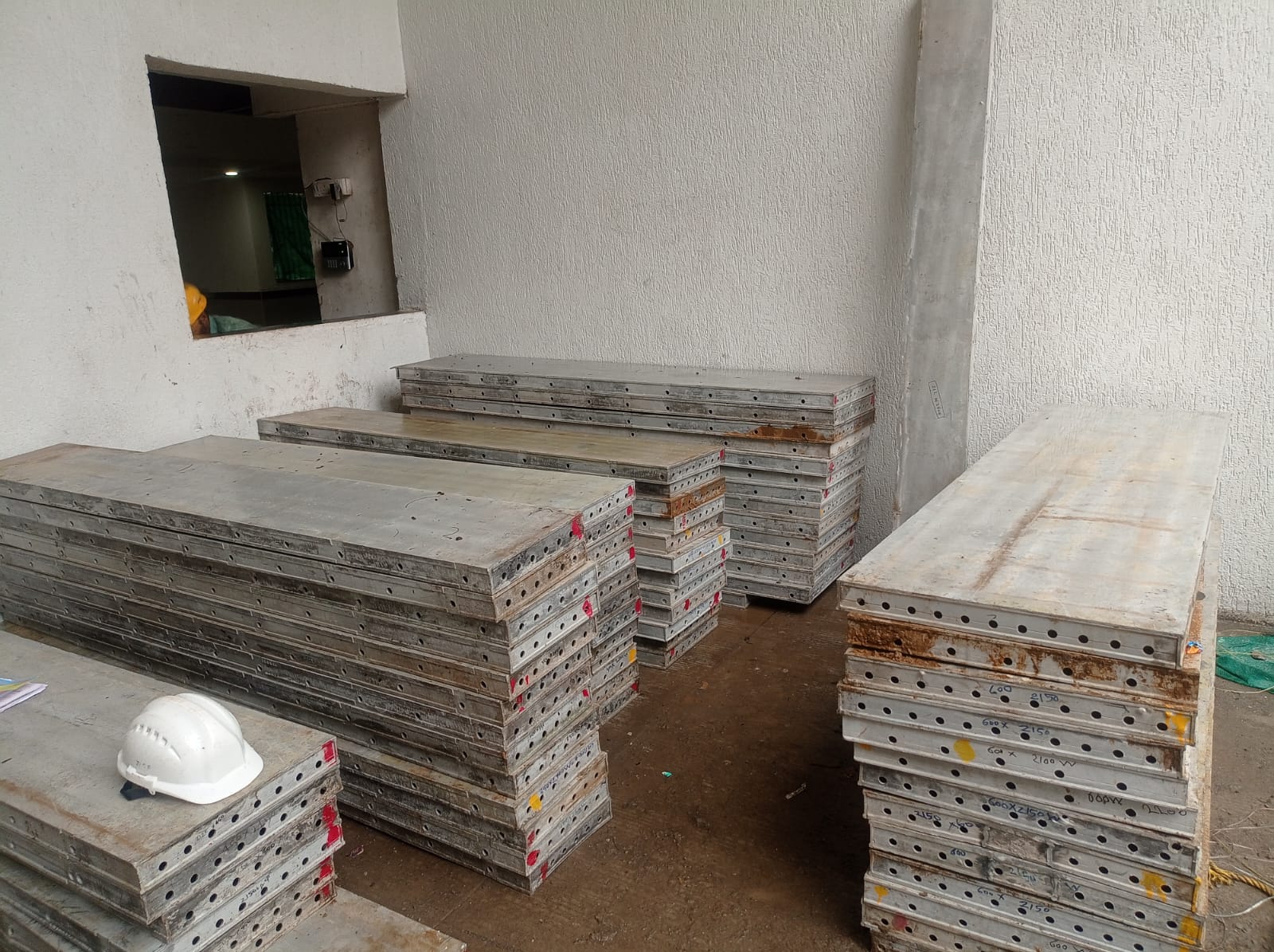
Where possible, inspect the formwork in person before completing a purchase. Look for significant denting, deformation, cracks, rust, or concrete build-up that has not been properly removed. A visual inspection takes a short time and can save you a lot of money.
You are buying formwork for the first time and want owned assets without the full cost of new. You are adding to an existing inventory and the refurbished set is compatible with your current system. You are running a mid-range project pipeline where cost efficiency matters and you have the ability to inspect before buying.
If you are working on a highly time-sensitive project where any site issue will have serious consequences, the margin for error on equipment quality is lower. In these cases, buying new or renting from a reliable supplier with clear quality standards may be the safer choice.
At Formbid, our refurbished formwork goes through a structured, documented process. Every unit is assessed on arrival, inspected component by component, repaired where required, cleaned, and certified before it is made available for sale. We track the history of every set and provide documentation on request. If a panel does not meet our standard, it does not leave our facility.
We believe that a contractor buying refurbished from Formbid should be just as confident in the quality of their purchase as one buying new.